Maintaining Network Stability Before Failures Occur
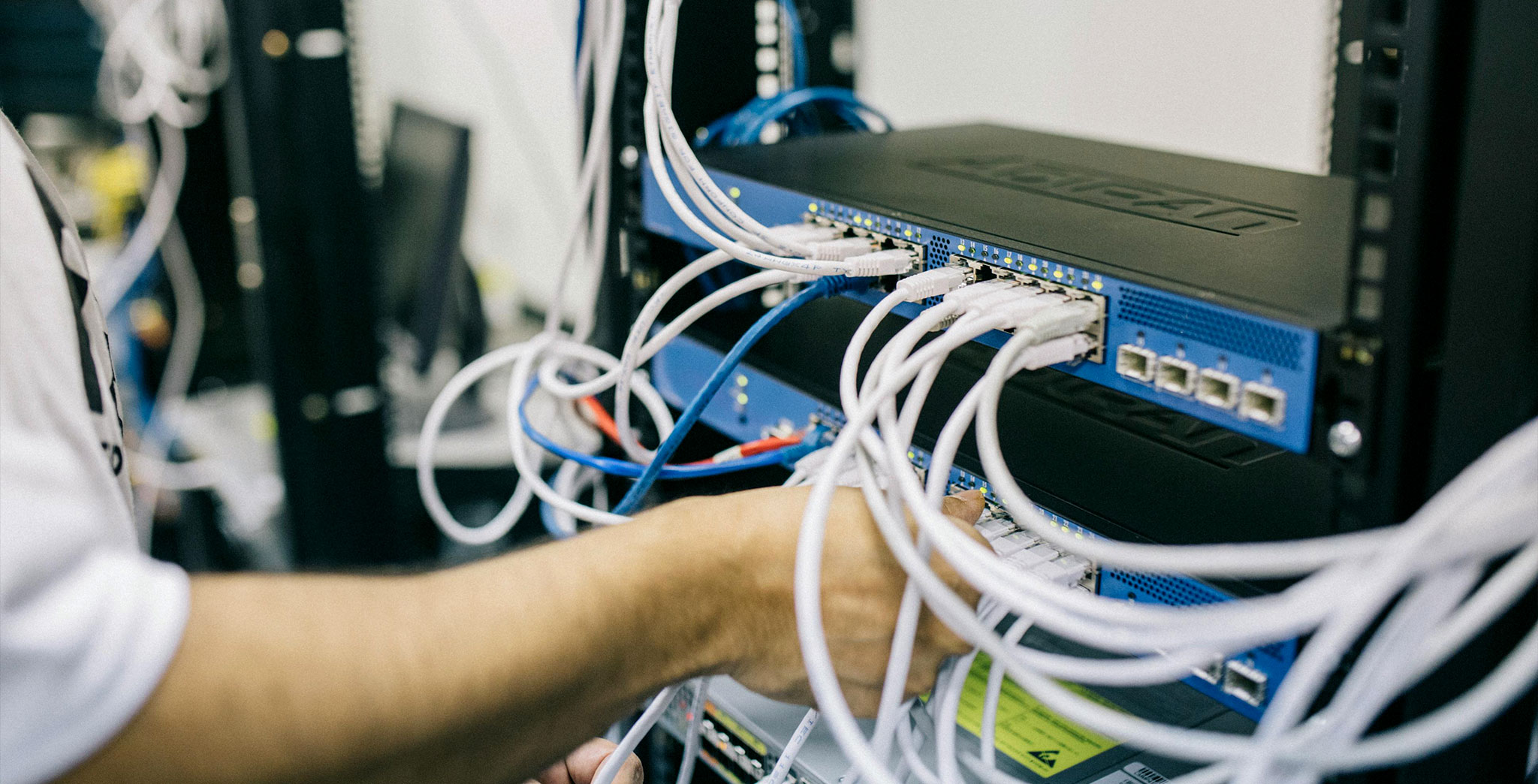
Daily Network Operations: Maintaining Stability Before Failures Occur
Effective network support begins with operational visibility, ensuring that the state of the network is continuously observable by technical teams rather than examined only after incidents arise. Modern operational models rely on telemetry collection through protocols such as SNMP, NetFlow, and real-time monitoring tools to build an accurate understanding of application usage, user behavior, and communication patterns between internal systems and cloud services. These metrics are not merely visualized in dashboards; they are analyzed to detect statistical deviations from normal performance, enabling early identification of risk conditions within critical infrastructure environments.
Organizations that adopt proactive monitoring establish what is known as a performance baseline, defining the network’s normal operating behavior. Any deviation beyond this threshold, even if imperceptible to users, is treated as a technical signal requiring investigation. For instance, repeated millisecond-level latency increases may indicate emerging congestion, routing inefficiencies, or hardware degradation. This analytical approach prevents cumulative failures, which research in IT service management identifies as a primary cause of prolonged service outages.
Operational log analysis is conducted systematically through integration with SIEM platforms that correlate events across time and context. Repeated reconnection attempts, unexpected routing table changes, or abnormal broadcast traffic can signal misconfigurations or recently introduced devices that are not fully aligned with the infrastructure. Automated log correlation has therefore replaced manual inspection, which is no longer sufficient in complex enterprise environments.
Support teams also perform scheduled health checks that include path validation, load testing, and simulated traffic surges to confirm that the network can sustain real-world demand. These practices align with capacity and availability management frameworks designed to ensure service continuity rather than simple functionality.
In this model, network support becomes an ongoing process of operational calibration, similar to preventive maintenance in industrial systems. A network that is not actively observed gradually deteriorates until a failure appears to occur “suddenly,” when in reality it is the result of ignored indicators accumulating over time.
Core Practices of Professional Network Support
-
Continuous performance monitoring with early analysis of quality indicators
-
Comprehensive documentation of all technical changes to prevent cumulative errors
-
Structured security and firmware updates validated through controlled testing
-
Regular configuration backups to ensure rapid restoration capabilities
-
Capacity planning based on measurable usage growth and operational demand
“
Networks should be designed so that they are easy to understand and manage, because complexity is the enemy of reliability.
Radia Perlman
Change Management and Intelligent Maintenance: The Hidden Driver of Network Reliability
Most critical outages are not caused by external attacks but by uncontrolled internal changes. For this reason, mature organizations implement formal change control processes in which every modification, regardless of scale, is documented, assessed, and validated prior to deployment. This discipline prevents configuration drift, the gradual and often unnoticed divergence of system settings that leads to instability and operational inconsistency.
Operational standards recommend executing changes through structured phases of evaluation, testing, and staged implementation. Adjustments are validated within controlled environments that replicate production conditions before being introduced into live systems. Even minor alterations to VLAN structures, access control policies, or routing parameters can result in widespread disruption if not rigorously reviewed. Firmware and software updates are therefore scheduled within defined maintenance windows to minimize operational risk.
Configuration backups are treated as an essential component of rapid recovery strategy. Automated snapshots of device settings enable restoration within minutes in the event of failure, a practice commonly referred to as rapid configuration restore. Advanced environments maintain these backups within version-controlled repositories, ensuring traceability and accountability for every technical change.
Network support also encompasses lifecycle management of infrastructure assets. Performance indicators such as resource utilization, thermal thresholds, and interface error rates are monitored to determine when equipment should be replaced before degradation affects service delivery. This predictive maintenance approach mirrors reliability engineering practices used in other mission-critical systems.
Capacity planning further ensures that infrastructure evolution aligns with actual demand. Growth in traffic, applications, and hybrid-work connectivity is modeled analytically so expansion does not introduce bottlenecks or performance collapse. Networks rarely fail because of a single catastrophic event; they fail due to incremental decisions made without long-term visibility.
Consequently, professional network support must be understood as a continuous governance function that balances performance, change, and scalability, rather than a reactive troubleshooting service.
Explore More Post
Managed WordPress Hosting: Real Engineering or Just Marketing?
Read MoreShared Hosting and Resource Management
Read MoreOptimizing IT Infrastructure
Read More